

Jalisco is one of Mexico’s most recognized culinary regions, known for dishes such as birria, tortas ahogadas, and carne en su jugo. However, its sweet tradition is also an essential part of its culinary identity. In markets, traditional eateries, candy shops, and towns across the state, it is possible to find desserts that have been passed down through generations and remain part of everyday life for both locals and visitors.
Five stand out for their constant presence and for how they reflect local ingredients, simple techniques, and culinary memory: jericalla, cocadas, guava roll, cinnamon or filled churros, and quince paste with cheese.
Jericalla
Found in traditional eateries and restaurants throughout Jalisco, jericalla is one of the state’s most representative desserts. Its origin is traced back to Guadalajara in the 19th century, within the Hospicio Cabañas, now the Museo Cabañas. It is attributed to a nun who sought to prepare a nutritious and affordable dessert for the children under her care.
The recipe combines milk, eggs, sugar, vanilla, and cinnamon. When baked, it develops a custard-like texture with a lightly burnt top layer that has become its defining feature. This caramelized surface is not a mistake but an essential part of the final result.
Cocadas
Cocadas are part of the sweet offerings found in markets, street stalls, and candy shops across the state. Their base is grated coconut, combined with sugar and other ingredients such as milk or cinnamon, depending on the recipe.
The preparation involves cooking the mixture until it reaches a firm but soft consistency. They are often purchased to take away, both by visitors and locals, as a simple way to bring a taste of the region home.
Guava roll
Guava roll is commonly found in regions such as the Sierra de la Montaña and the Costa–Sierra Occidental of Jalisco, especially in towns like Tapalpa, Mazamitla, Mascota, San Sebastián del Oeste, and Talpa de Allende.
It is made from guava pulp and sugar, cooked into a paste that is then rolled. Its texture is smooth, and it is often eaten during breakfast or dinner, typically accompanied by milk. It is a sweet commonly found in both tourist areas and local shops.
Cinnamon or filled churros
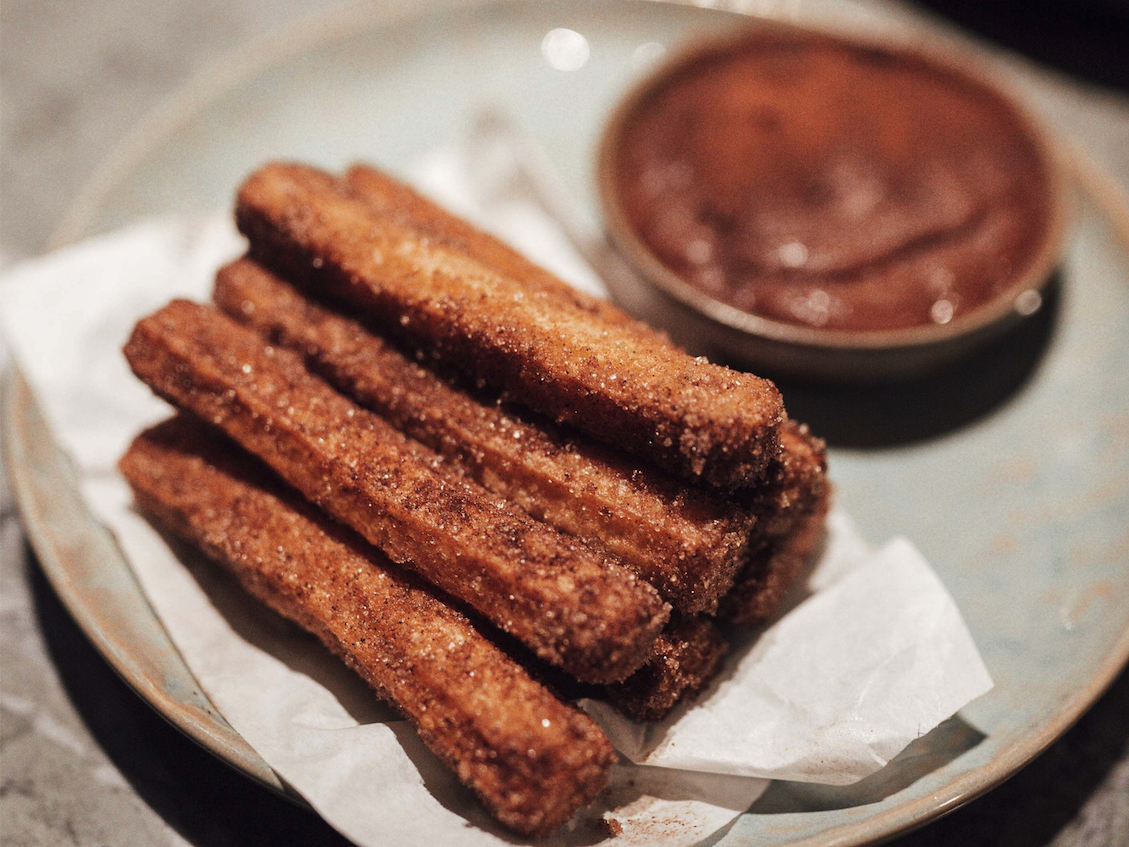
In Jalisco, especially in Tlaquepaque, churros are part of street food and café offerings. They are made from fried dough and coated with sugar and cinnamon. Filled versions are also common, with options such as caramel, condensed milk, or chocolate.
They are eaten fresh, when the exterior is crisp and the inside remains soft. They are often paired with cold milk or milkshakes, particularly in social and gathering spaces.
Quince paste with cheese
Quince paste with cheese is a preparation that brings together sweet and savory flavors in a single serving. It consists of a slice of quince paste paired with cheese, usually a semi-hard variety such as manchego.
It is found in traditional sweet shops and local restaurants, including those in San Sebastián del Oeste. It is consumed year-round and is part of a broader tradition of regional products that combine fruit and dairy.
Discover more about Jalisco and plan your trip at: visitjalisco.mx
And receive exclusive information to travel through Mexico in style!